
Beating addiction is deeply personal, and let's be real- standard rehabs often miss the bigger picture. True healing means fixing the mind, body, and spirit all at once. That's why faith-based recovery models are helping so many people today. For the Jewish community, choosing a Jewish rehab creates a safe space where faith and modern medicine work together.
And it's not just about keeping traditions alive. It's about building a rock-solid support system. But how does bringing faith into the mix help someone stay sober for good? In this post, we will cover the core benefits of faith-based recovery, what makes these programs work, and what to expect from aftercare.
Core Benefits of a Jewish Rehab
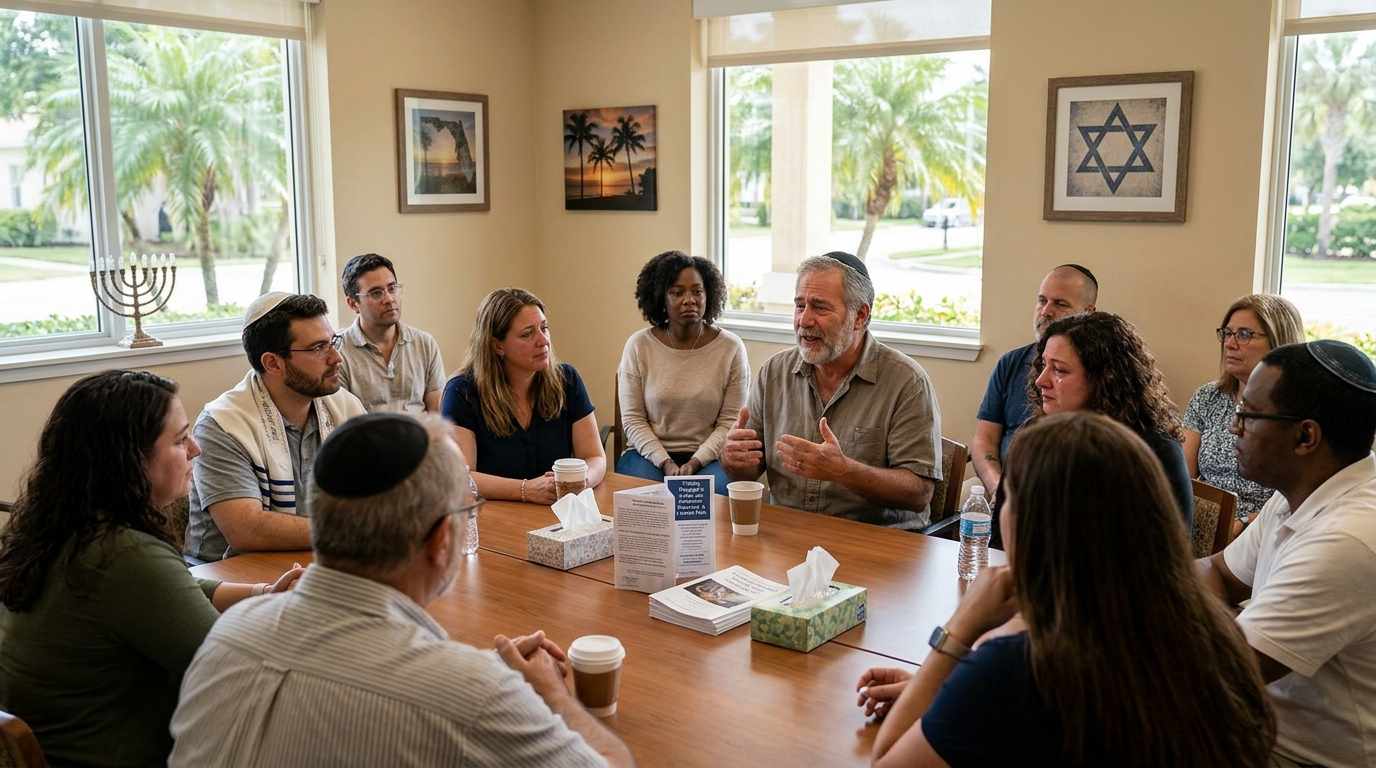
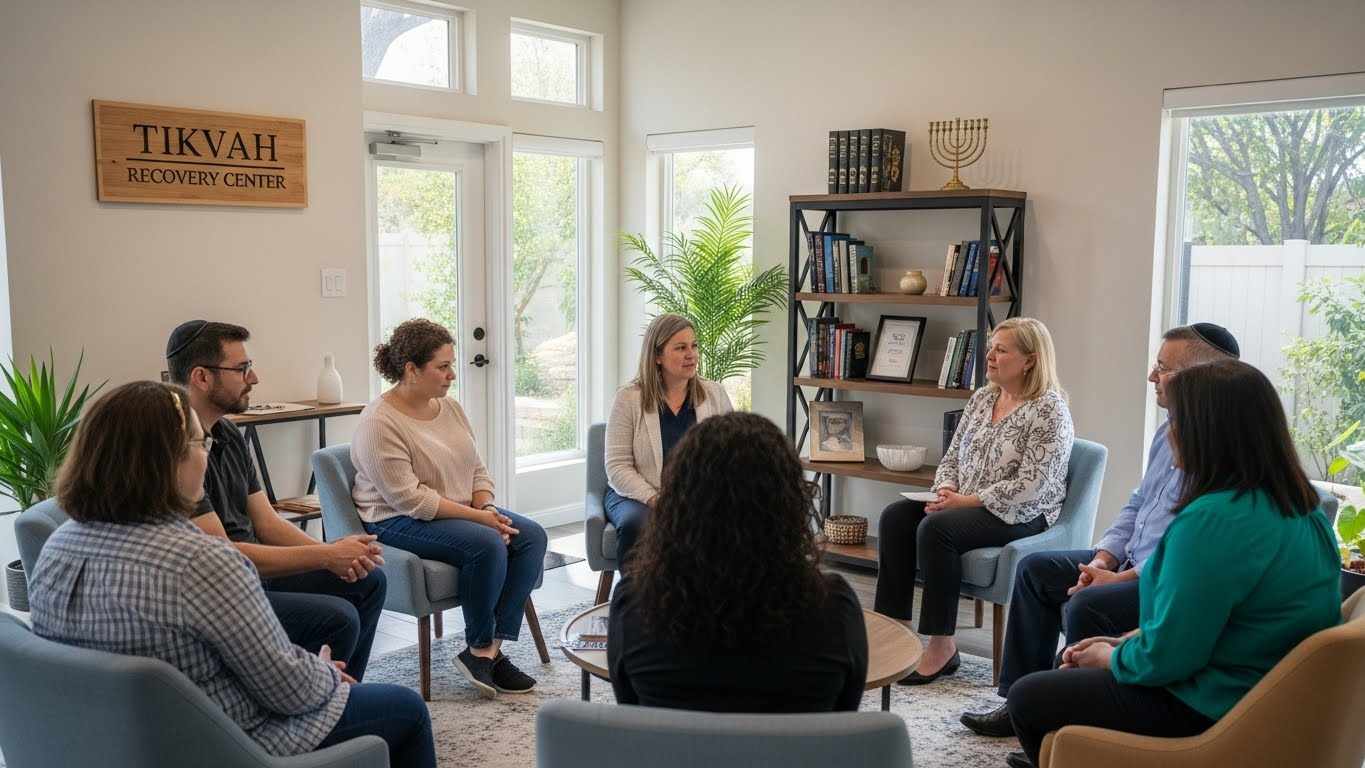
Why does this approach actually work? The thing is, addiction makes people feel completely alone. Faith-based programs are built to fix that and rebuild community. A Jewish rehab gives people a place where they don't have to explain their religious rules or culture to the staff. They are understood from the second they walk through the doors.
Plus, these programs mix proven medical therapy with daily spiritual habits. This two-sided approach tackles the deep roots of addiction while giving the soul a chance to heal. Embracing faith-based addiction treatment keeps people in rehab longer because they finally feel like they belong somewhere.
Here are the biggest perks you can expect:
Fresh kosher meals and strict respect for Shabbat.
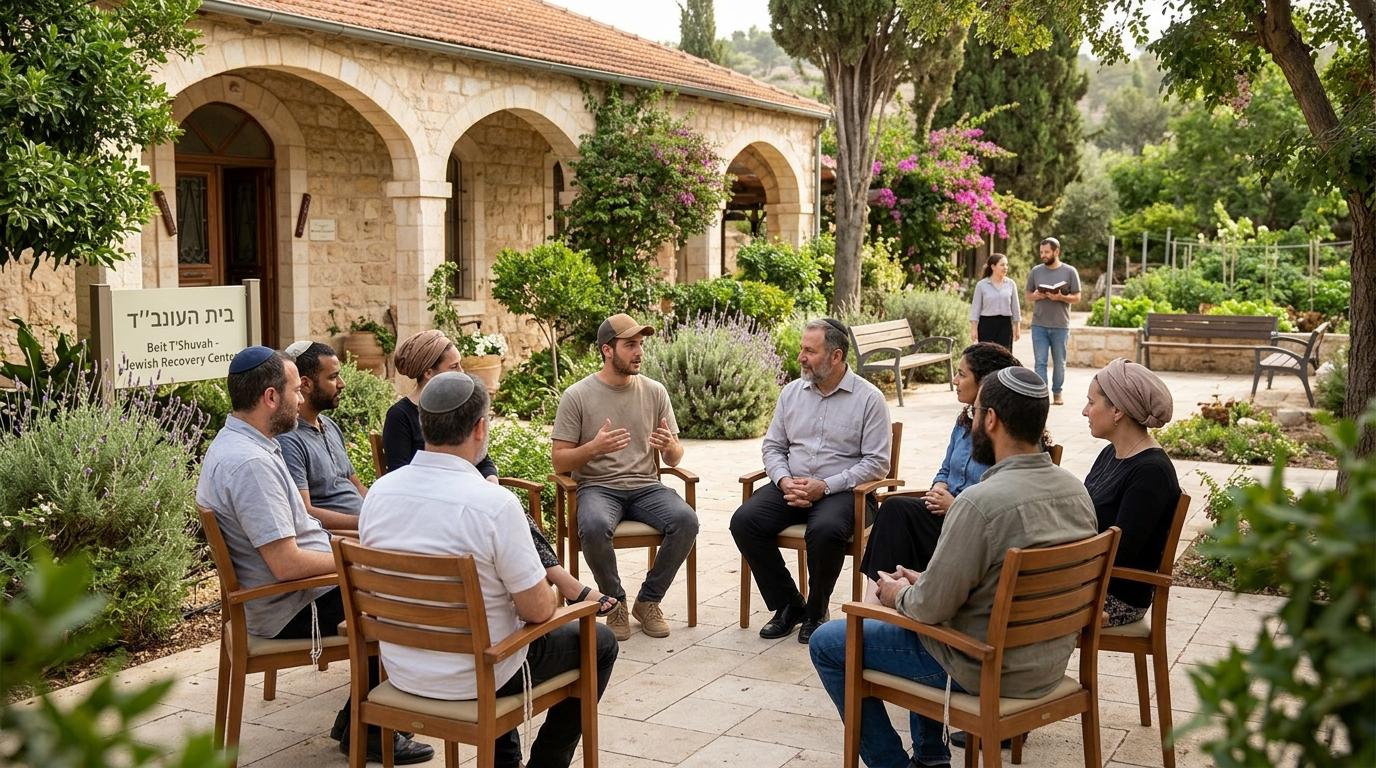
Real guidance from rabbis and leaders who get the struggle.
Mixing Torah study right into standard 12-step programs.
A group of peers who share your exact values and background.
Transitioning to Jewish Sober Living
Getting sober doesn't stop when you leave the main treatment center. Moving back into normal life is a tricky time. That's where culturally focused Jewish sober living steps in. It gives you a safe, structured bridge between intense inpatient care and living totally on your own.
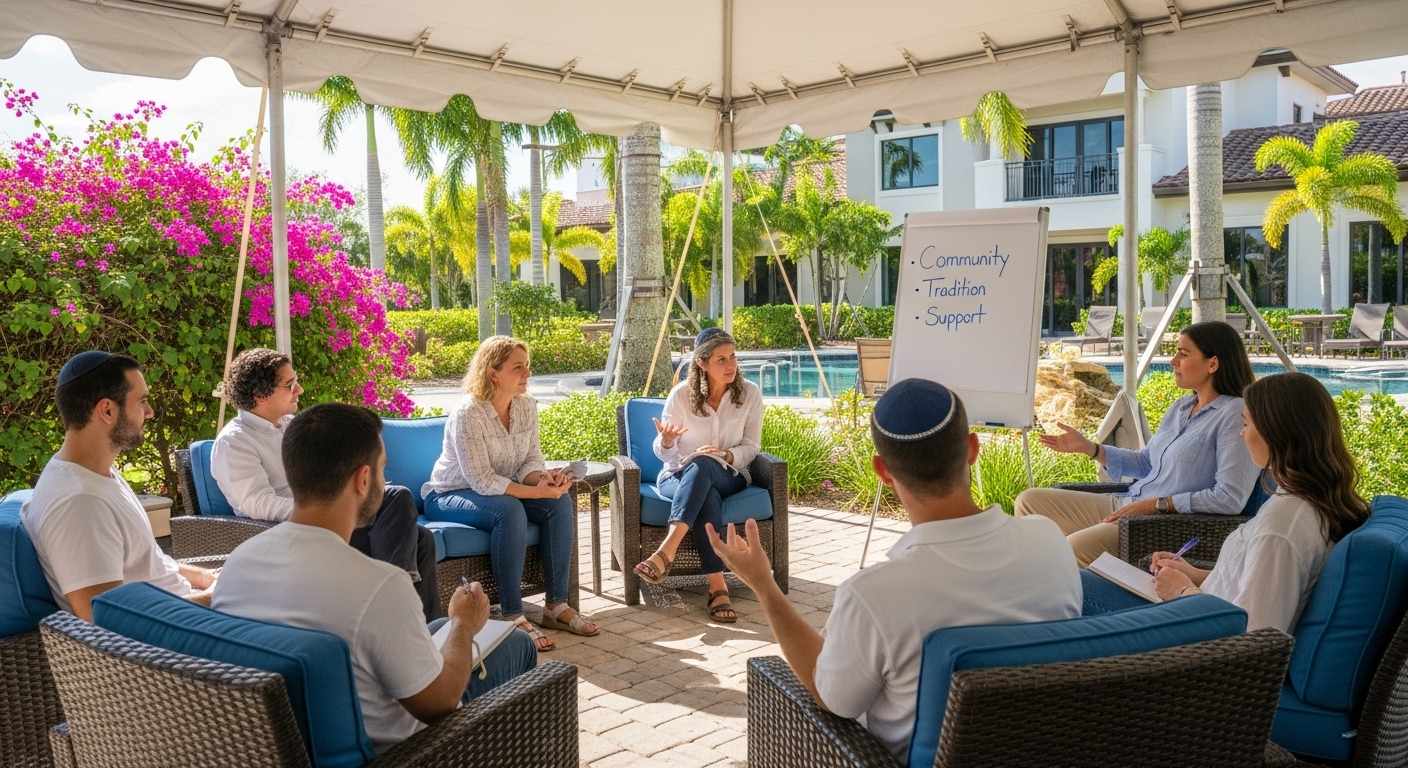
Here's why this step is a lifesaver. It keeps your spiritual habits strong when life gets stressful. If you are looking at your next steps, location is everything. For example, moving to a sober living in Boynton Beach drops you into a massive recovery community with local networks already set up. The support is baked right in.
When checking out a place, use this quick checklist to make sure it's a good fit:
Look for real therapy: Make sure they require group meetings or counseling.
Check the culture: Ask if they really keep a kosher kitchen and allow time for daily prayers.
Look at the area: Find a strong recovery network, like a trusted sober living in Florida.
Ask about the rules: See if they do random drug tests and have set curfews.
Check local ties: Ask if they work closely with nearby synagogues.
The Science Behind Spirituality and Sobriety

Doctors and studies point out that spirituality plays a huge role in staying clean. It gives people a real reason to wake up in the morning. But it does more than just make you feel good. Practicing religion actually lowers anxiety and helps you handle stress better. Fostering spirituality in addiction recovery completely changes how a person reacts when life gets hard.
When people lean into kosher recovery programs, they take on a highly structured way of living. Waking up with a routine builds mental toughness. By looking at Jewish addiction recovery success rates, experts see that folks who stay close to their faith community are way less likely to relapse. A specialized Jewish rehab takes this science and bakes it right into daily life.
Wrapping Up Your Recovery Journey
Getting sober is never a simple, one-size-fits-all thing. Mixing your culture and faith into treatment gives you a powerful anchor for the long haul. Deciding to go to a Jewish rehab means choosing a path where your beliefs actually help you heal faster. If you or a family member are ready to find real help, reach out to the team at Rocklay Sober Living today to explore custom treatment options that honor your roots.
FAQs About Jewish Rehab
Q1.What makes faith-based recovery different from standard rehab?
It pairs regular medical therapy with spiritual guidance to heal your whole self at once.
Q2. Do I need to be strictly religious to go to these programs?
Not at all, people of all observance levels are completely welcome to connect at their own pace.
Q3. Are kosher meals provided during the residential stay?
Yes, these places keep strict kosher kitchens to respect your dietary laws every single day.
Q4. How does Shabbat fit into a busy recovery schedule?
The staff adjusts the therapy schedule so you can rest and observe from Friday evening to Saturday night.
Q5. What happens after finishing the main inpatient program?
Most people move into a culturally aligned sober living home to keep their daily support strong.



Write a comment ...